
The Role of a Principal Contractor: Responsibilities & Legal Duties
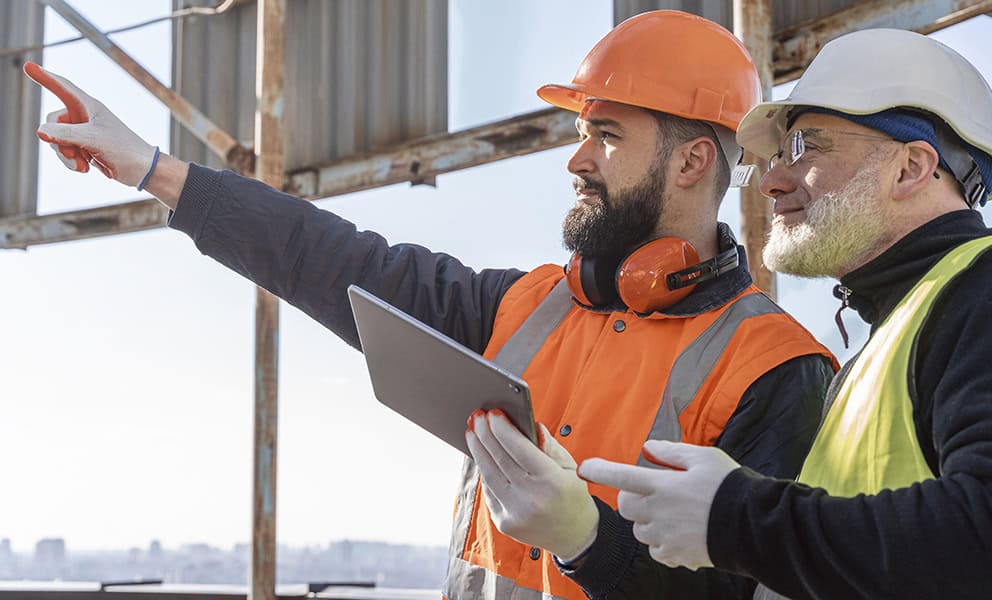
In the construction industry, the Principal Contractor plays a crucial role in ensuring that a project runs smoothly, safely, and in compliance with legal requirements. Appointed under CDM Regulations 2015, a Principal Contractor is responsible for managing health and safety on a construction site, coordinating subcontractors, and ensuring the successful delivery of the project.
What Makes a Great Construction Project Manager?

A construction project manager plays a critical role in ensuring projects are delivered on time, within budget, and to the highest standards. Their ability to manage people, processes, and potential risks can make or break a project. But what truly defines a great project manager in construction?
Common Challenges in Construction Project Management & How to Overcome Them
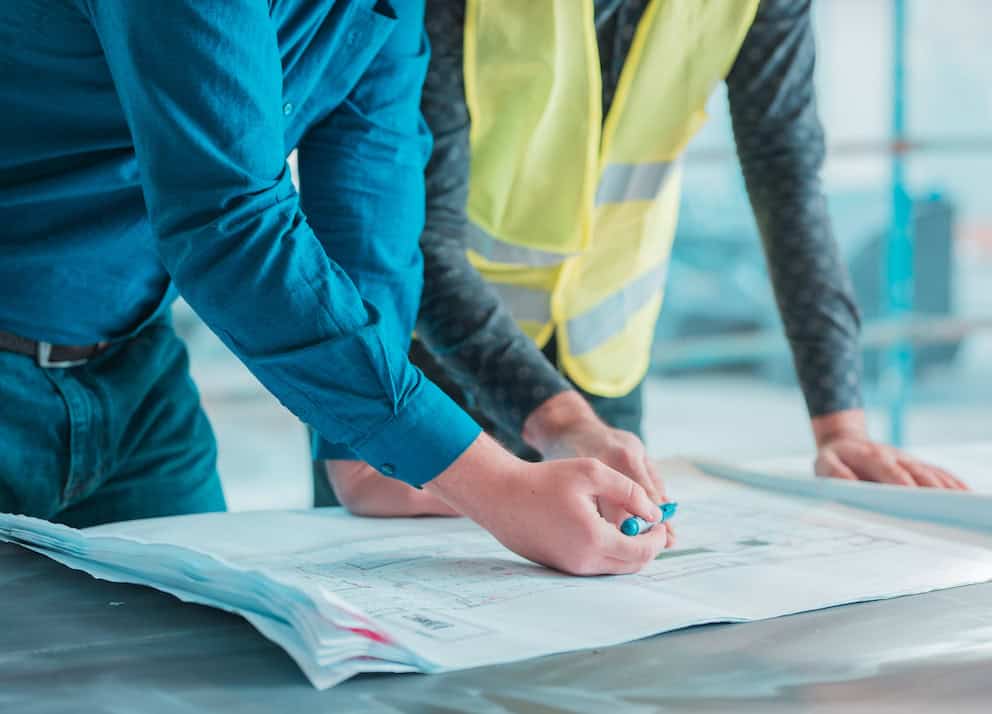
Managing a construction project is no small feat. From budgeting constraints to subcontractor delays, numerous challenges can arise that threaten project timelines and quality. In this blog, we’ll explore some of the most common challenges in construction project management and how to effectively overcome them.
Enhancing Project Success: The Essential Guide to Construction Site Audits and Inspections
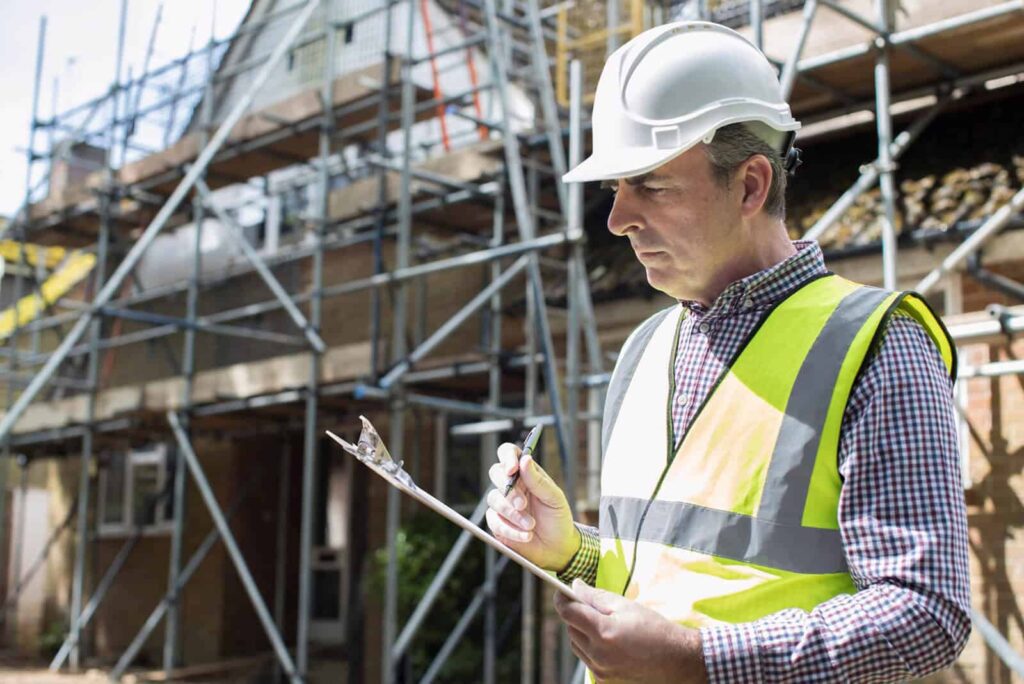
In the ever-evolving landscape of the UK construction industry, the significance of comprehensive site audits and inspections cannot be overstated. For construction directors aiming to steer their projects to successful completions, understanding the multifaceted benefits of these evaluations is paramount.
Fire Risk Assessments: A Legal and Safety Imperative for Commercial Landlords

In the realm of commercial property management, fire risk assessments are not just a matter of safety; they are a legal necessity. As a commercial landlord, understanding and implementing thorough fire risk assessments can mean the difference between compliance and costly legal repercussions.
What Are Examples Of Successful Health and Safety Practices in Construction?
If you’ve read my previous blogs, you’ll know that properly managing health and safety can be a challenging and daunting task – however it is possible! In this blog, I’ll be explaining some examples of successful health and safety practices in construction that we can all learn from… and explaining what it takes to achieve them.
How To Create a Robust Emergency Response Plan for Your Construction Project
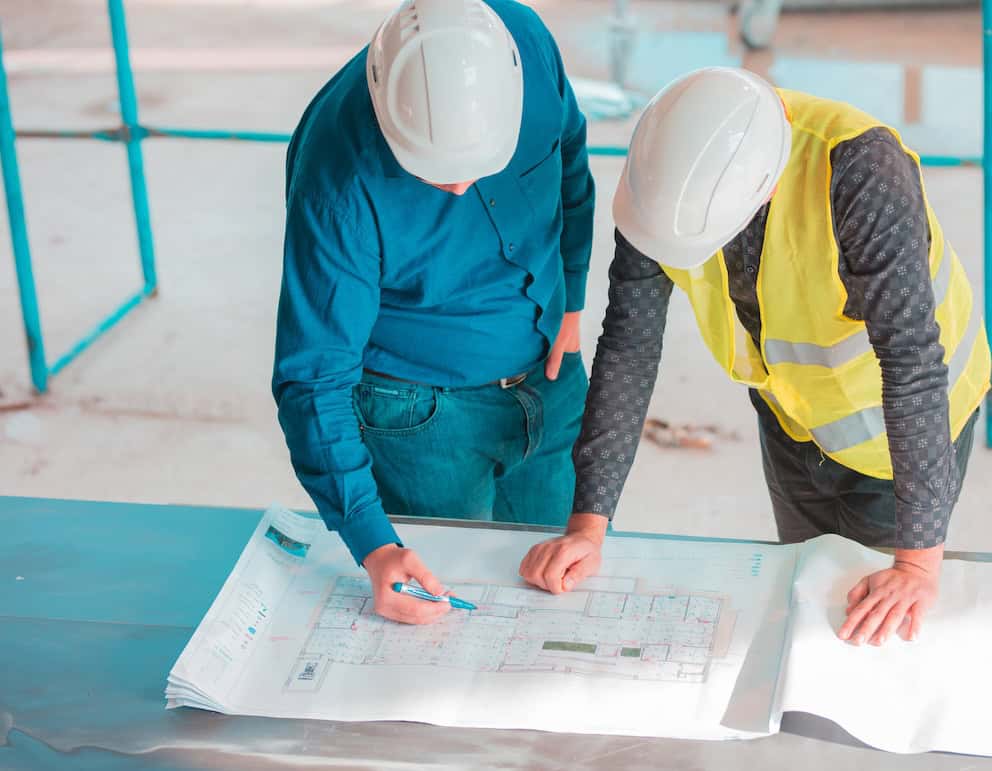
It is essential to create a robust emergency response plan for your construction project because despite our best efforts, construction suffers from the highest accident, injury, and fatality rates of all industries, both in the UK and worldwide. For most site managers, this means the question is not “if” an accident will happen, but “when”.
How to prevent musculoskeletal disorders through ergonomics
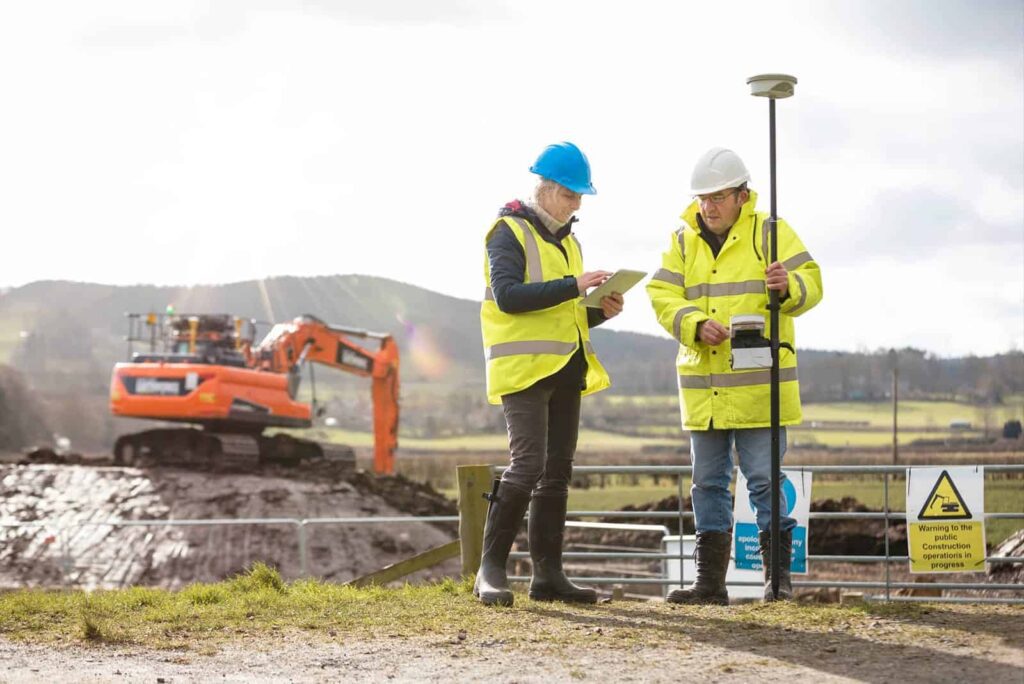
In this blog, we’re looking at how you can prevent musculoskeletal disorders through ergonomics. We’ve all been there. You need to move a heavy item off the floor, or reach behind us to grab something, then- pop! A searing, twinging pain sears through your back, reminding you that you’re not as flexible as you once were, or that awkward movement was a mistake in general.
How to Promote Mental Health and Well-being in the Construction Workplace

In this blog, we’ll look at how you can promote mental health and well-being in the construction workplace. A productive workforce, great workmanship, and good safety record are what every project and site manager hopes to achieve. However, this should never be at the cost of workers’ wellbeing or mental health. Mental health challenges are […]
Is Effective Safety Training in the Construction Industry necessary?

In today’s blog we’ll be looking at the importance of effective safety training in the construction industry; why safety training should be on every site manager’s priority list and why it pays to do it properly. While historically a lot of training on the work site consisted of either being told to crack on and […]