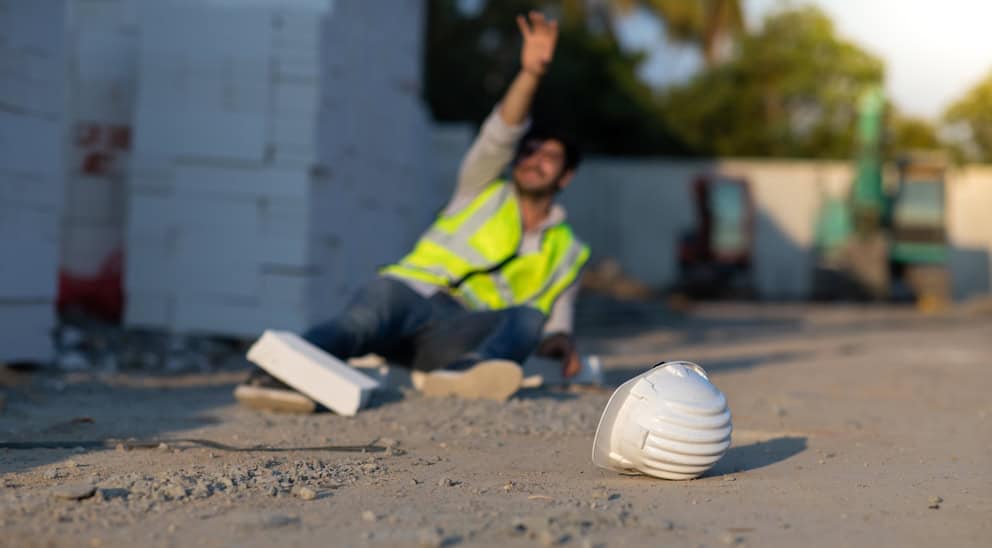
Why accident reporting is essential in construction
Accident reporting is a vital part of health and safety management. Recording and investigating incidents helps identify hazards, improve procedures and reduce the likelihood of recurrence.
Key benefits include:
- Ensuring compliance with RIDDOR and HSE regulations
- Preventing repeat incidents through root-cause analysis
- Providing legal protection for contractors and workers
- Supporting a positive health and safety culture on site
Accidents, near misses and dangerous occurrences must all be reported, whether they involve personal injury, equipment failure or hazardous conditions. Even minor incidents can provide valuable insight for improving site safety.
Majestic Construction provides guidance on accident reporting and incident investigations to help contractors maintain compliance and prevent recurrence.
Legal requirements under RIDDOR and CDM 2015
The Reporting of Injuries, Diseases and Dangerous Occurrences Regulations 2013 (RIDDOR) sets out what incidents must be reported to the HSE and within what timeframe. CDM 2015 also requires accurate record-keeping as part of site safety management.
Under RIDDOR, contractors must report:
- Fatalities and major injuries
- Over-seven-day injuries where a worker cannot perform duties
- Dangerous occurrences such as structural collapses or fires
- Occupational diseases linked to site exposure
Failing to report incidents correctly can lead to enforcement notices, legal action and reputational damage. Having a clear reporting process in place ensures compliance and protects all parties involved.
How to report and investigate construction accidents
A structured reporting process helps ensure all incidents are handled consistently and transparently. Follow these key steps:
Step 1: Respond immediately
Provide first aid and medical assistance where necessary. Secure the area to prevent further harm and preserve evidence.
Step 2: Record key details
Document the date, time, location, people involved, witnesses, and a factual description of the incident. Photographs or diagrams can help clarify what happened.
Step 3: Complete an accident report
Use a standard form to log all details and submit to the site manager or principal contractor. Include evidence where appropriate.
Step 4: Notify HSE under RIDDOR (if required)
Report serious injuries or dangerous occurrences to the HSE within the legal timeframe – usually within ten days for major injuries.
Step 5: Investigate the root cause
Review what happened, identify contributing factors and update risk assessments or method statements accordingly. Share lessons learned with the site team to prevent repeat incidents.
Common mistakes and how to avoid them
Accident reporting failures can lead to legal consequences and repeat incidents. Common mistakes include:
- Not reporting near misses: All incidents, even minor ones, should be logged to identify emerging risks.
- Incomplete documentation: Reports must include full details, witness statements and supporting evidence.
- Delays in reporting: Serious incidents must be submitted to the HSE within statutory time limits.
- No follow-up action: Investigations must result in corrective measures to improve safety.
How Majestic Construction supports accident reporting
We help contractors establish robust accident reporting systems that meet all legal and regulatory requirements. Our services include:
- Accident reporting training and documentation templates
- On-site incident investigations and root-cause analysis
- Full compliance support with RIDDOR and CDM 2015
- Implementation of preventative safety measures
Our experienced team ensures every incident is properly recorded, investigated and used as a learning opportunity to improve future performance.
Conclusion
Accurate and timely accident reporting is essential for maintaining safety, demonstrating compliance and protecting your workforce. It ensures lessons are learned, hazards are controlled and future incidents are prevented.
For expert support with accident reporting, investigations and compliance under RIDDOR and CDM 2015, contact Majestic Construction today.
Email: lee@majesticconstruction.co.uk
Phone: 01484 426302