3 – Cranes Overturning
Cranes are essential on steel frame construction projects, allowing large structural sections to be lifted and positioned accurately. However, crane operations also carry significant risk if not properly managed.
Crane overturning incidents can happen due to unstable ground conditions, incorrect crane setup, overloading, poor lift planning or adverse weather conditions such as high winds. In many cases, multiple contributing factors combine to create dangerous situations.
The consequences of a crane overturning can be catastrophic, posing serious danger to site workers, surrounding structures and members of the public. High-profile incidents in recent years have demonstrated how quickly crane failures can halt construction activity and trigger major investigations – for example, earlier this year saw a tower crane collapse at a major London construction site, leading to a full site evacuation and HSE investigation after the crane jib became detached during operation.
Incidents such as these can also bring projects to a standstill and result in substantial financial and legal implications.
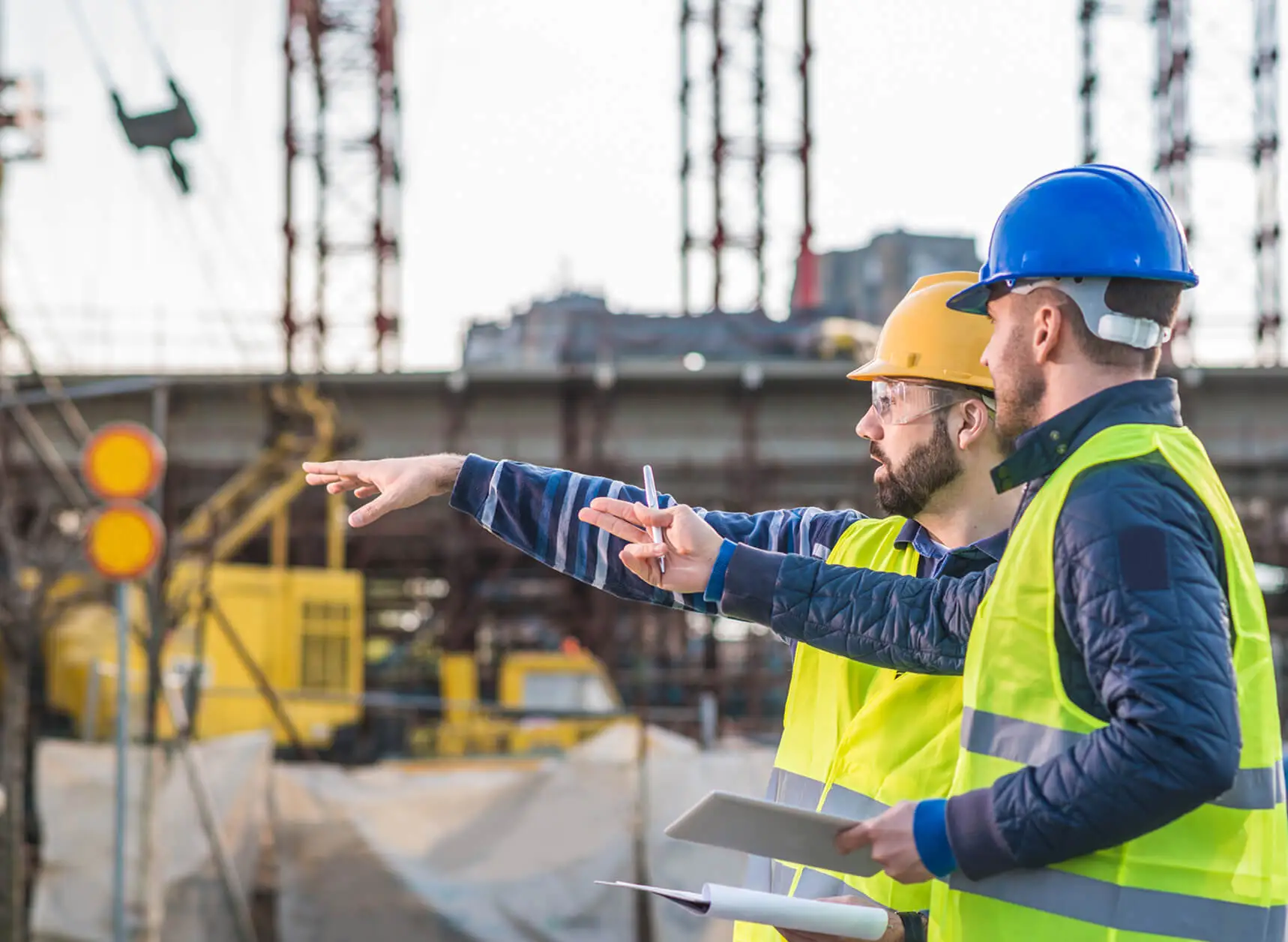
To avoid these risks, strong project coordination and planning are essential. Principal contractors play a central role in overseeing lifting operations, verifying ground conditions, coordinating crane suppliers and ensuring lifts are carried out safely and in line with project-specific lift plans. Ongoing monitoring and communication are also vital to maintaining safe operations as site conditions evolve.